
Unveiling the Rich History of Muay Boran Origins
Muay Boran. The name evokes images of warriors, and ancient battles, a martial art deeply rooted in tradition. But what exactly is Muay Boran? Where did it come from? And why does it matter today, especially for those of us passionate about Muay Thai? It is a journey through time, where you can explore the fascinating muay boran origins and uncover the secrets behind this ancient fighting style.
Muay Boran is a martial art based around Thai culture, used as warfare, and resilience. on the battlefield; a living history. It’s the foundation upon which modern Muay Thai stands. Understanding its roots gives us a deeper appreciation of the techniques, the discipline, and the spirit that define Muay Thai today.
Exploring the Muay Boran Origins
Muay Boran, which translates to "ancient boxing," is the predecessor of modern Muay Thai. It was developed centuries ago in the Kingdom of Siam (now Thailand) as a practical and effective form of combat for soldiers on the battlefield.
Unlike the sport we see today, Muay Boran was designed for real-life survival. Fighters useing every part of their body as a weapon - fists, elbows, knees, shins, and even headbutts. The techniques were brutal, efficient, and deeply connected to the warrior’s mindset.
The muay boran origins trace back to the need for self-defence and military training. It was passed down through generations, often kept secret within families or royal guards. The art was not just about fighting; it was about honour, discipline, and protecting one’s land and people.
Muay Boran incorporates elements of Thai culture, including traditional music, rituals, and dance-like movements. These aspects are still visible in modern Muay Thai, especially during the Wai Kru ceremony, where fighters pay respect to their teachers and ancestors.

The Evolution from Battlefield to Ring
How did Muay Boran transform from a battlefield art to a sport loved worldwide? The transition is a story of adaptation and survival. As warfare changed, so did the need for hand-to-hand combat skills. Muay Boran gradually shifted from military training to a form of entertainment and sport.
By the early 20th century, rules were introduced to make fights safer and more regulated. Protective gear, weight classes, and timed rounds became standard. This evolution gave birth to modern Muay Thai, which retains the core techniques of Muay Boran but with a focus on sport and competition.
Despite these changes, many traditional schools still teach Muay Boran techniques to preserve the art’s authenticity. These schools emphasise the importance of understanding the roots to truly master Muay Thai. For anyone serious about becoming an instructor or a dedicated student, diving into Muay Boran is essential.
By studying the old forms and movements they reveal the logic behind each strike and defence. which can enhance your overall fighting strategy.
Did Muay Boran Come from Lethwei?
This question pops up often, and it’s worth addressing. Lethwei, also known as Burmese bare-knuckle boxing, shares similarities with Muay Boran. Both are ancient martial arts from Southeast Asia, using striking techniques with fists, elbows, knees, and headbutts.
However, Muay Boran and Lethwei developed independently within their respective cultures. While they influenced each other through historical interactions and border conflicts, Muay Boran’s roots are distinctly Thai, shaped by the unique history and traditions of Siam.
Lethwei is known for its brutal knockout style and fewer rules, often fought bare-knuckle. Muay Boran, on the other hand, was more structured as a military art with a broader range of techniques, including throws and joint locks.
Understanding these differences helps us appreciate the diversity of martial arts in the region. It also highlights how Muay Boran stands as a unique and rich tradition, not just a derivative of neighbouring styles.
The Role of Muay Boran in Modern Training
If you’re training to become a Muay Thai instructor or a serious student, incorporating Muay Boran into your practice is invaluable. It deepens your technical knowledge and connects you to the art’s cultural heritage.
Here’s how you can integrate Muay Boran principles into your training:
Study Traditional Forms - Learn the old kata-like sequences that teach body mechanics and flow.
Focus on Close-Range Combat - Muay Boran emphasises clinching, throws, and strikes at close quarters.
Practice Weapon Defence - Some Muay Boran techniques include defending against traditional weapons, which sharpens reflexes.
Respect the Rituals - Incorporate Wai Kru and other cultural practices to build mental discipline.
Train with Purpose - Muay Boran was designed for survival. Train with intensity and respect for its origins.
By doing this, you not only improve your skills but also become a custodian of a priceless cultural legacy.
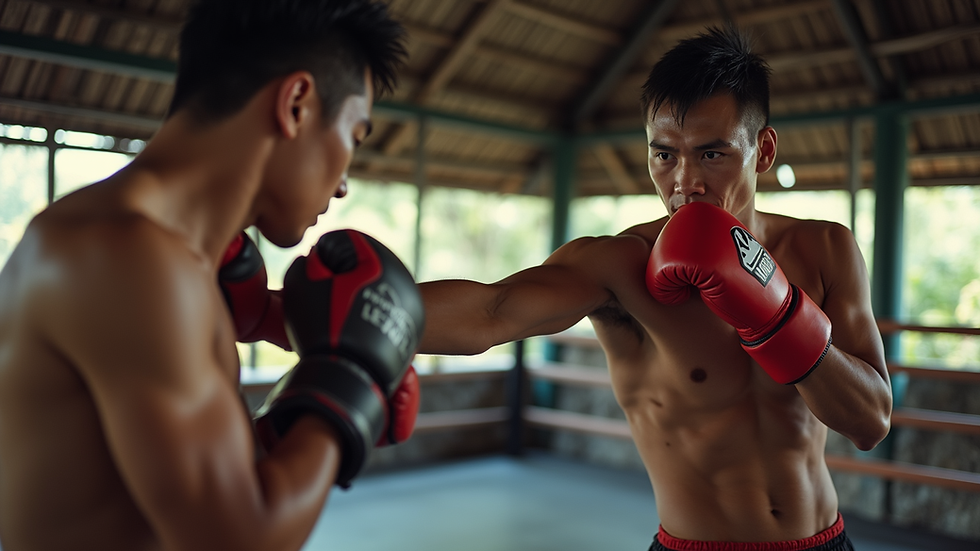
Why Understanding the History Matters
Why should you care about the history of Muay Boran? Because it shapes everything you do in the ring and beyond. Knowing the origins gives you context. It makes every punch, kick, and clinch more meaningful.
Muay Thai is more than just a sport. It’s a way of life, a connection to centuries of warriors who fought not for glory but for survival and honour.
The history of muay boran is a testament to human resilience and creativity. It teaches us about discipline, respect, and the power of tradition. For aspiring instructors, this knowledge is crucial. It helps you pass on not just techniques but the spirit of Muay Thai.
Embracing the Legacy and Moving Forward
Muay Boran is more than a relic of the past. It’s a living, breathing art that continues to evolve. As we honour its origins, we also adapt it for the future. Whether you’re training in a gym or teaching a class, you are part of a long chain of fighters and instructors.
Mastering Muay Boran techniques enriches your Muay Thai journey. It connects you to a tradition that values strength, skill, and heart. it helps you become not just a better fighter but a better teacher.
Explore Muay Boran, keep training the techniques, and keep the spirit of Muay Boran alive. The past is your foundation. The future is yours to build.


Comments